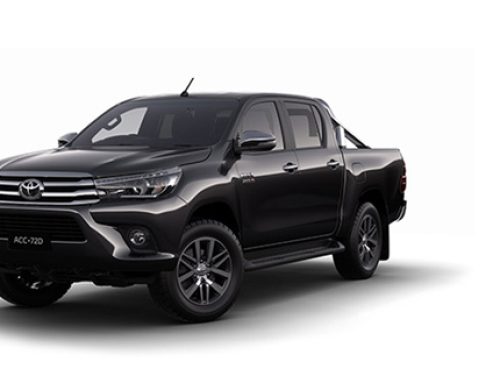
Novated Leasing vs Chattel Mortgages for Business Owners
Introduction
Choosing how to finance your next vehicle can have a major impact on your business cash flow and tax position. In Australia, the two most common methods are novated leases and chattel mortgages. Each has different benefits depending on whether your vehicle is primarily for personal or business use.
This article explains how both options work, their financial and tax implications, and which one may suit you best as a business owner or director.
What Is a Novated Lease
A novated lease is a three-way agreement between you, your employer, and a finance provider such as One Car Group (https://onecargroup.com.au/novated-leasing/). It allows you to pay for a car using part of your pre-tax income, reducing your taxable salary and simplifying vehicle expenses.
All running costs, including repayments, insurance, registration, servicing, and fuel, are combined into a single regular payment deducted directly from your salary.
Benefits of Novated Leasing include:
– Payments come from pre-tax income, which can reduce your taxable salary.
– All costs are bundled into one easy payment.
– You can choose new or used vehicles with flexible terms.
– Minimal or no upfront payment is usually required.
For many directors who pay themselves a salary, a novated lease can serve both personal and business needs while offering tax efficiency and convenience.
What Is a Chattel Mortgage
A chattel mortgage is a form of business vehicle finance where the business takes ownership of the vehicle immediately. The lender holds the vehicle as security for the loan until it is repaid.
It is a popular choice for companies, sole traders, and ABN holders who use vehicles primarily for business purposes.
Benefits of a Chattel Mortgage include:
– The business owns the vehicle from the start, which can be treated as a business asset.
– Registered businesses can usually claim GST credits on the purchase price.
– Interest and depreciation are generally tax-deductible when the car is used for business.
– Balloon payments can be structured to manage cash flow more effectively.
The ATO (https://www.ato.gov.au/Business/GST/In-detail/Your-industry/Motor-vehicle-industry/GST-and-motor-vehicles/) provides further guidance on vehicle deductions and GST credits for business owners.
Key Differences Between Novated Leases and Chattel Mortgages
Although both help finance vehicles, their structure and purpose are very different.
A novated lease is best suited for employees or company directors who draw a salary. The car remains under lease until the term ends, and the driver has the option to buy, upgrade, or return it. The vehicle costs are deducted from your salary, which can lower your taxable income and provide a predictable monthly expense.
A chattel mortgage, by contrast, is intended for vehicles used mainly for business operations. The vehicle is recorded as a business asset and can be depreciated. Businesses can also claim GST on the purchase price and deduct interest payments, giving more control over accounting and ownership.
If your car use is mixed between personal and professional purposes, novated leasing is usually more straightforward. If the vehicle is a business tool, a chattel mortgage often provides stronger tax and balance sheet advantages.
When to Choose a Novated Lease
A novated lease can be ideal if:
– You are an employee or a business owner who pays yourself a salary.
– You want your vehicle expenses combined into one fixed payment.
– You prefer predictable costs and minimal administrative work.
– You are interested in electric vehicles that qualify for Fringe Benefits Tax (FBT) exemption.
Electric novated leases are particularly appealing under the EV FBT exemption, which applies to eligible vehicles under the Luxury Car Tax threshold. Learn more about this at One Car Group’s Electric Vehicles page (https://onecargroup.com.au/electric-vehicles/).
When to Choose a Chattel Mortgage
A chattel mortgage might be better if:
– The vehicle is used mostly for business operations.
– You prefer to own the car outright and treat it as an asset.
– Your business is registered for GST and can claim input tax credits.
– You want to manage depreciation and balloon payments directly.
This structure often suits companies with strong cash flow or businesses that replace vehicles regularly as part of operations.
Tax Benefits and Considerations
The key difference lies in how the two structures affect taxation.
With a novated lease, you lower your taxable income because the car costs are paid from pre-tax salary. You also avoid managing depreciation or asset disposal. For electric vehicles, there is an additional benefit because they are currently exempt from FBT if they meet certain criteria.
With a chattel mortgage, you may be able to claim GST on the purchase price upfront, then deduct loan interest and depreciation over time. However, these benefits only apply if the car is used primarily for business purposes, so accurate logbooks and records are essential.
Always confirm your eligibility with your accountant to ensure compliance with ATO rules.
Cash Flow and Flexibility
A novated lease offers predictable monthly costs. It simplifies budgeting because fuel, insurance, maintenance, and registration are all included in one regular deduction.
A chattel mortgage provides ownership flexibility but requires more active management. While you can structure balloon payments to reduce monthly costs, you must also handle insurance, servicing, and resale yourself.
For smaller businesses or owner-directors who want simplicity, novated leasing provides convenience. For businesses managing fleets or assets strategically, chattel mortgages offer control and long-term value.
End-of-Term Options
At the end of a novated lease, you can either buy the car by paying the residual value, upgrade to a new vehicle, or return it. This flexibility makes it suitable for those who prefer driving newer models without worrying about resale.
With a chattel mortgage, the car is already yours once the loan is repaid. You can keep it, trade it in, or sell it, with any profit or loss reflected on your business accounts.
Environmental and Strategic Value
As sustainability becomes a stronger focus for Australian businesses, novated leasing has emerged as a practical way to encourage electric vehicle adoption. Because EVs under the luxury car tax threshold are currently exempt from FBT, both employers and employees benefit.
This incentive aligns with Australia’s push toward cleaner transport and can help businesses meet environmental goals while reducing costs.
FAQs
Q1: Can a business owner have both a novated lease and a chattel mortgage?
Yes. Many directors use a novated lease for their personal car and a chattel mortgage for vehicles used in daily business operations.
Q2: What happens to my novated lease if I change jobs?
You can transfer the lease to your new employer or take over the payments directly with the finance provider.
Q3: Can I claim GST on a novated lease?
In most cases, GST is included in the lease cost and managed by your employer or provider. For chattel mortgages, GST can often be claimed upfront.
Q4: Does a novated lease affect my credit history?
Yes, both novated leases and chattel mortgages appear as finance commitments, but they are treated like any standard loan or lease if repayments are made on time.
Q5: Which option is better for electric vehicles?
Novated leasing is usually more advantageous because eligible EVs are exempt from Fringe Benefits Tax, making them more affordable to run.
Conclusion
Both novated leases and chattel mortgages can be valuable tools for business owners. The right choice depends on how you use your vehicle and what financial structure suits your goals.
If you want simplicity, predictable costs, and personal flexibility, a novated lease is likely the better choice. If you value asset ownership and control over tax deductions, a chattel mortgage could be more suitable.
Speak with our team at One Car Group (https://onecargroup.com.au/contact/) to explore your vehicle finance options and find the approach that best fits your business.